Understanding Static Stretching & Dynamic Stretching.

For more than a decade now as exercise has become more popular and the amount of people embracing exercise in modern day is hugely on the rise. There are many misunderstandings about stretching, one being never to stretch before exercise which it has now become the opposite. So when it comes to static and dynamic stretching, which is best? and when to utilise static or dynamic.

Dynamic Stretching

What is Dynamic Stretching?

Dynamic stretches are controlled movements that prepare your muscles, ligaments and other soft tissue for performance and safety. This form of stretching will assist you with improvements in speed, agility and acceleration. These functional and sport specific movements help increase muscle temperature and decrease muscle stiffness. When implementing your dynamic stretching, try and mimic the same or similar movement that you would be performing in your workout. This will go a long way in assisting you in your workout performance the deeper you get into your workout. The best time to perform this type of stretching is directly after the warm up and try set aside 5-10min of low to moderate intensity. These 5-10 minutes of dynamic stretching will make an instant impact on your performance so please don’t skip this step.

Dynamic Stretching Examples

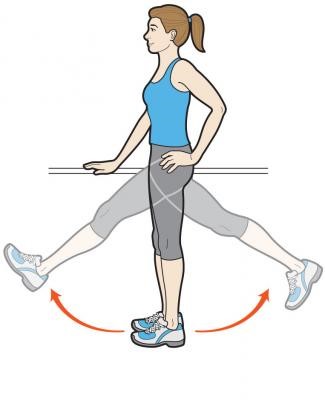
Leg swings.

Stand straight with your feet hip-width apart and hold onto a wall. Keeping one leg stationary, slowly swing the opposite leg forward and backward in a single smooth movement. Slowly increase your range of the swing going forward and backwards to your own comfort.

Arm swings

Stand with your feet shoulder width apart and extend your arms parallel to the floor. Circle your arms forward using small controlled motions, gradually making the circles bigger until you feel a stretch in your triceps. Reverse the direction of the circles after of 10-15 sec or when you feel looser in the shoulder.

Lying torso twist

Lie on your back with bent legs and knees together. With shoulder blades square on the floor, move your knees down to one side, hold for a second or two and return to centre. Repeat the stretch on the other side so keep alternating.

Static Stretching

What is Static Stretching?

This form of stretching requires you to move a muscle to the end of its range of motion, and to maintain that position without pain for 20-45 seconds. Repeat static stretches 2 -3 times per day. Static stretching is a very effective way to increase flexibility, however it is important to know that the best and most effective time to incorporate these stretches are at the end of your workout/activity during your cool down. Using static stretching after sports will help prevent injury. If you use static stretching as a warm up prior to an athletic competition/event or workout it may impact your performance negatively as static stretching may limit your body’s ability to react quickly as you have stretched your muscle fibres into a lengthened position. A person does not have to have one long session of static stretching if you do not have the time, stretching 2-3 times throughout the day will have beneficial results too.

Examples

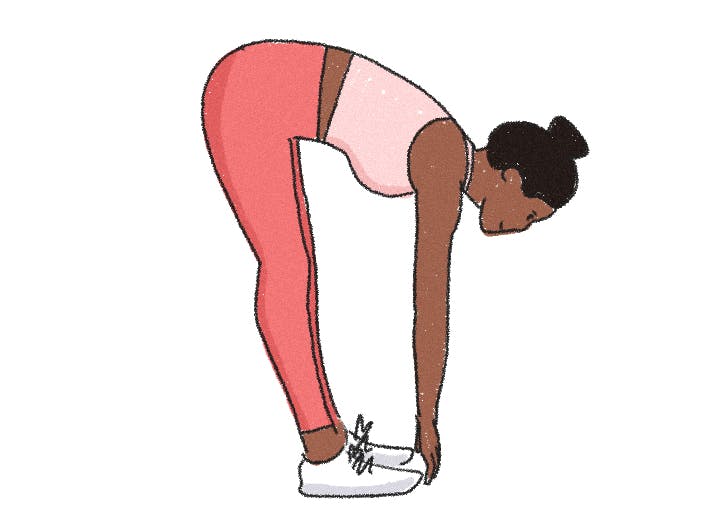
Hamstring stretch

Stand upright and fully extend your knees. Place legs together, then hollow your back and bend forward down towards the floor. Do not force the stretch, go as far as your hamstring allows you too. Hold this position.

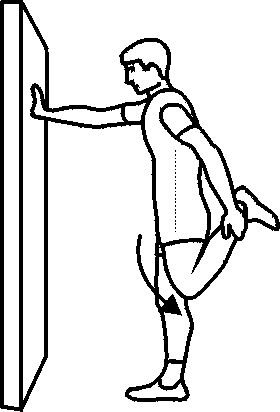
Quadriceps stretch

While standing, hold onto wall/countertop or back of chair. Bend your knee back by grasping your ankle with one hand. Assist in bending your knee back as far as possible. Drive the hip forward of the bent leg to deepen the stretch. Hold this position

Shoulder Stretch

Bring your right arm across the front of your body at about chest height. Support your right arm with the elbow crease of your left arm or use your left hand to hold your right arm. Stretch out your shoulder and continue to face forward. Hold this stretch.

So now that you have a bit more knowledge on Static and Dynamic stretching, don’t forget to make it part of your routine from now on. This will help you improve your mobility and also help prevent injuries in future.

Author

Andrew Everest

Andrew is a keen fitness enthusiast and dedicates his time to helping people get to their physical and mental goals.